
"I have no time to write," "AI drafts erase my voice," and "I can't publish AI content because I don't trust the facts" — anyone who has tried AI writing has hit at least one of these three walls.
This guide walks through a six-phase AI article production workflow: planning → style learning → drafting → illustrations → proofreading → fact-checking. The point is not "letting AI write" but building a production pipeline that includes quality control. The content is based on the training materials we use in our corporate workshops and online course.
What you will learn in this article
- What AI article writing is — and how it differs from "just delegating to AI"
- The full six-phase workflow
- How style learning (style profiles) preserves your voice
- How to auto-generate illustrations and diagrams for the article
- Five-sweep proofreading and how fact-checking works
- Scaling with a parallel multi-article pipeline, and the caveats
What is AI article writing?
AI article writing is a technology where AI supports the entire article production process — planning, drafting, proofreading, and image generation. It combines human expertise with AI speed.
You can produce blog posts, newsletters, technical articles, and internal communications quickly and at high quality, with AI assisting on style analysis, proofreading, and fact-checking. The value is solving "no time to write" and "no idea what to write" while maintaining both volume and quality.
The most important principle comes first: do not just hand everything to AI. Feed your own expertise and experience into the process, and you will produce original articles no one else could write.
The big picture — six phases
The course workflow consists of six phases.
| Phase | Focus | Main work |
|---|---|---|
| 1. Topic planning | Outline | Theme and persona definition, auto-generated heading structure |
| 2. Style learning | Style profile | Extract style features from your existing writing |
| 3. Drafting | Draft generation | Generate the body with the profile applied |
| 4. Illustrations | Images and diagrams | Auto-generate and insert visuals |
| 5. Proofreading | Five sweeps | Typos, grammar, consistency, readability, tone |
| 6. Fact-checking | Verification and sources | Verify numbers and proper nouns |
Each phase consumes the previous phase's output, so working in order is the baseline. Let's walk through them.
Phase 1: Planning — theme, persona, outline
Start by deciding the theme, defining the target reader (persona), and auto-generating the outline. Working in dialogue with the AI, you build the skeleton of an article that lands with its audience.
The request template looks like: "On the theme of 'business efficiency with AI agents,' define a persona for IT department managers and auto-generate an outline with five to seven H2 headings." Specify the theme, reader, and heading count, and you get a working draft structure. Agreeing on the skeleton before writing prevents expensive rewrites later.
Phase 2: Style learning — building a style profile
Style learning solves the "AI erases my voice" problem. You feed your past writing to a style-analysis skill (style-analyzer), which extracts your stylistic features into a style profile.
Analyzed features include sentence-ending patterns, sentence length, tone, conjunction tendencies, and (for Japanese) the kanji/hiragana ratio. As preparation, gather at least three pieces of your past writing — blog posts, emails, reports.
A style profile is reusable across topics once created. Used team-wide, it keeps the tone consistent even as writers change. One caution: make sure no personal information ends up in the profile.
Phase 3: Drafting — generation with the profile applied
With the outline and style profile ready, the writing skill (article-writer) generates the draft. It handles outline generation from a theme, style-profile application, and Markdown output, and it also supports automatic insertion of illustration markers that tell later phases where images belong.
Accuracy improves when you specify length, required elements, and keyword policy: "Generate a 3,000-character body from the outline and writing guidelines; include concrete examples per section and place SEO keywords naturally." Afterward, revise section by section and add your own insights — that is where the originality comes from.
Phase 4: Illustrations — auto-generating images and diagrams
Based on the illustration markers in the draft, two kinds of visuals are generated automatically:
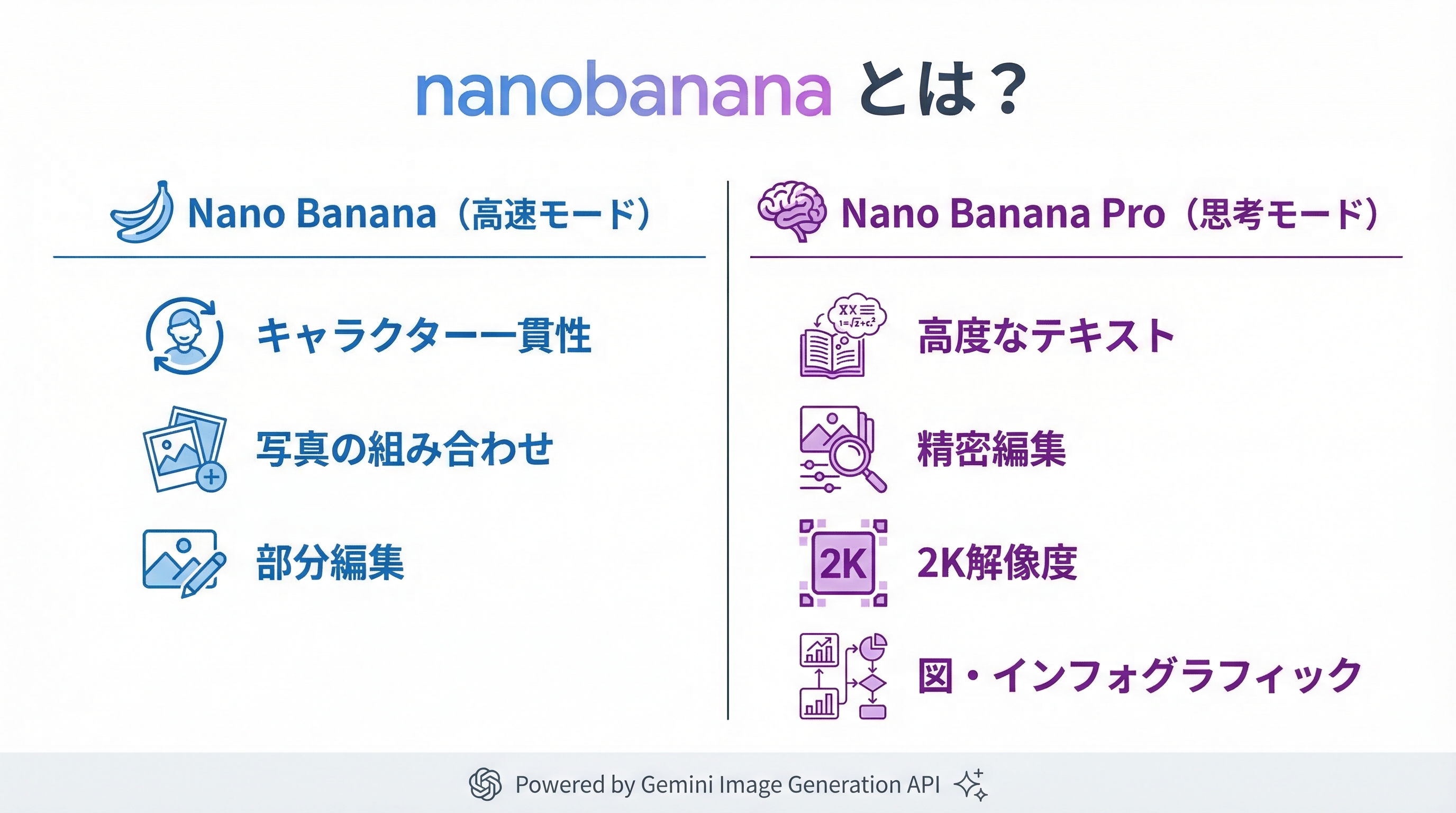
- Illustrations and photo-style images — generated with nanobanana, an image generation skill built on the Gemini Image Generation API, for hero images and inline art
- Flow and concept diagrams — generated as PlantUML-based diagrams for processes and conceptual structure
A single request like "generate a 16:9 hero image and create the article's process flow diagram in PlantUML, then embed both" keeps text and visuals inside one workflow. For prompt techniques see the AI banner and image generation guide, and for diagram specifics the AI diagram generation guide.
Phase 5: Proofreading — five sweeps of quality review
Once the draft exists, a proofreading agent reviews the article from five separate sweeps:
- Sweep 1: Typos and omissions
- Sweep 2: Grammar and syntax
- Sweep 3: Consistency of expressions
- Sweep 4: Readability
- Sweep 5: Tone and style unification
Suggestions are output as inline annotations or before→after diffs, and a readability score can be calculated. Because the review is split by perspective, it catches redundancies and tonal drift that a single read-through would miss. Proofreading and fact-checking run independently of the other phases, so they also work on existing articles you have already published.
Phase 6: Fact-checking — the last gate before publishing
Finally, a fact-checker automatically extracts the article's factual claims — numbers, dates, proper nouns, statistics — and verifies them via web search. The output is a confidence-scored report plus a source/reference list. Low-confidence items get flagged, with alternative sources suggested.
Two essential caveats: fact-checker results are reference information — verify important numbers yourself; and always have a human review AI-generated articles before publishing.
Scaling up — the parallel multi-article pipeline
Once the workflow is stable, you can process multiple topics in parallel: apply the style-analysis → drafting → illustration → proofreading → fact-checking pipeline to each article and finish, say, three articles concurrently.
Save the instructions that worked as article templates and reuse them, and you have a sustainable publishing operation. To repurpose articles into video content, see Getting Started with AI Video Generation. For the broader discipline of instructing AI agents, see The Complete Guide to AI Agents for Business.
For hands-on team training, see our corporate AI agent training.
Frequently asked questions
Q. Won't the articles feel obviously AI-written? A. The key countermeasure is style learning. Feed at least three pieces of your past writing to the analyzer, extract a style profile covering sentence endings, sentence length, tone, and conjunction tendencies, and apply it during drafting. Then add your own expertise and experience during revision — that combination produces originality that pure delegation to AI never will.
Q. How do I keep the facts trustworthy? A. The fact-checking phase auto-extracts numbers, dates, proper nouns, and statistics from the article, verifies them with web search, and produces a confidence-scored report with a source list. Low-confidence items are flagged. Treat the results as reference information: verify important figures yourself, and always run a human review before publishing.
Q. What are the "five sweeps" of proofreading? A. The article is reviewed in five separate passes — typos/omissions, grammar/syntax, consistency of expressions, readability, and tone/style unification. Suggestions come as before→after diffs and a readability score can be computed. Splitting the review by perspective catches problems a single read-through misses.
Q. Does this work on existing articles? A. Yes. Proofreading and fact-checking are independent phases, so you can apply them directly to previously published articles for quality improvement or pre-rewrite audits. The style profile is also reusable across topics once built, so organizations with a large content library see returns quickly.
Q. Where should I start? A. Pick one theme and experience the six phases in order. Preparation is minimal: gather three or more pieces of your past writing and decide on one article topic. Work sequentially since each phase consumes the previous one's output, and graduate to the parallel multi-article pipeline once the flow is stable.
Related articles
- AI Banner & Image Generation for Business
- Generating Diagrams, Flowcharts, and Manuals with AI
- Getting Started with AI Video Generation
- The Complete Guide to AI Agents for Business
- Corporate AI agent training (hands-on)
Related services
Ready to put AI agents to work?
Turn what you just read into real workflows. AI Agent Camp helps non-technical professionals go from using to building — hands-on.
Last reviewed: 2026-06-10